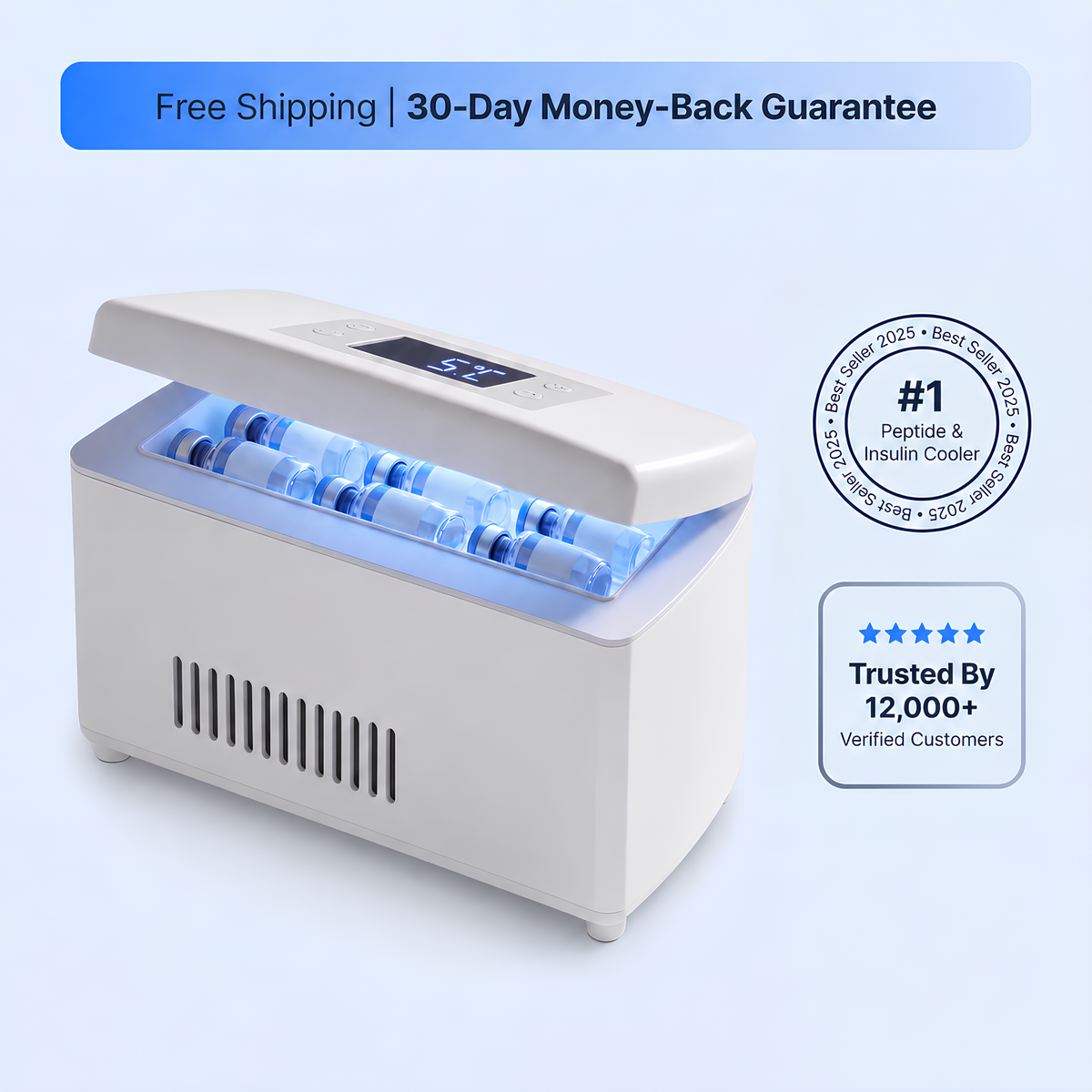
Ruined insulin looks exactly like good insulin.
Insulin doesn’t warn you when it’s been cooked or frozen. A thermometer on the lid does, so you know before you dose, not after.
- Temp on the lid
- ±0.5° accurate
- Battery or USB-C
- Carry-on ready
- 30 days to try it
- Refunds without a return
- 2-year warranty
Does it test my insulin?
No. MedVault is a temperature-controlled cooler. It keeps your insulin at the temperature you set and shows you that temperature, and it doesn’t test, change or verify the medication. Always follow the storage instructions on your insulin’s label.
Specifications
| TemperatureYou set it | Most people choose 41°F (5°C) |
|---|---|
| Display accuracyLive readout on the lid | Within half a degree (±0.5°C) |
| PowerBattery and plug | Built-in battery, runs from any USB-C charger |
| TravelAir travel | Carry-on friendly |
Can I take it on a plane?
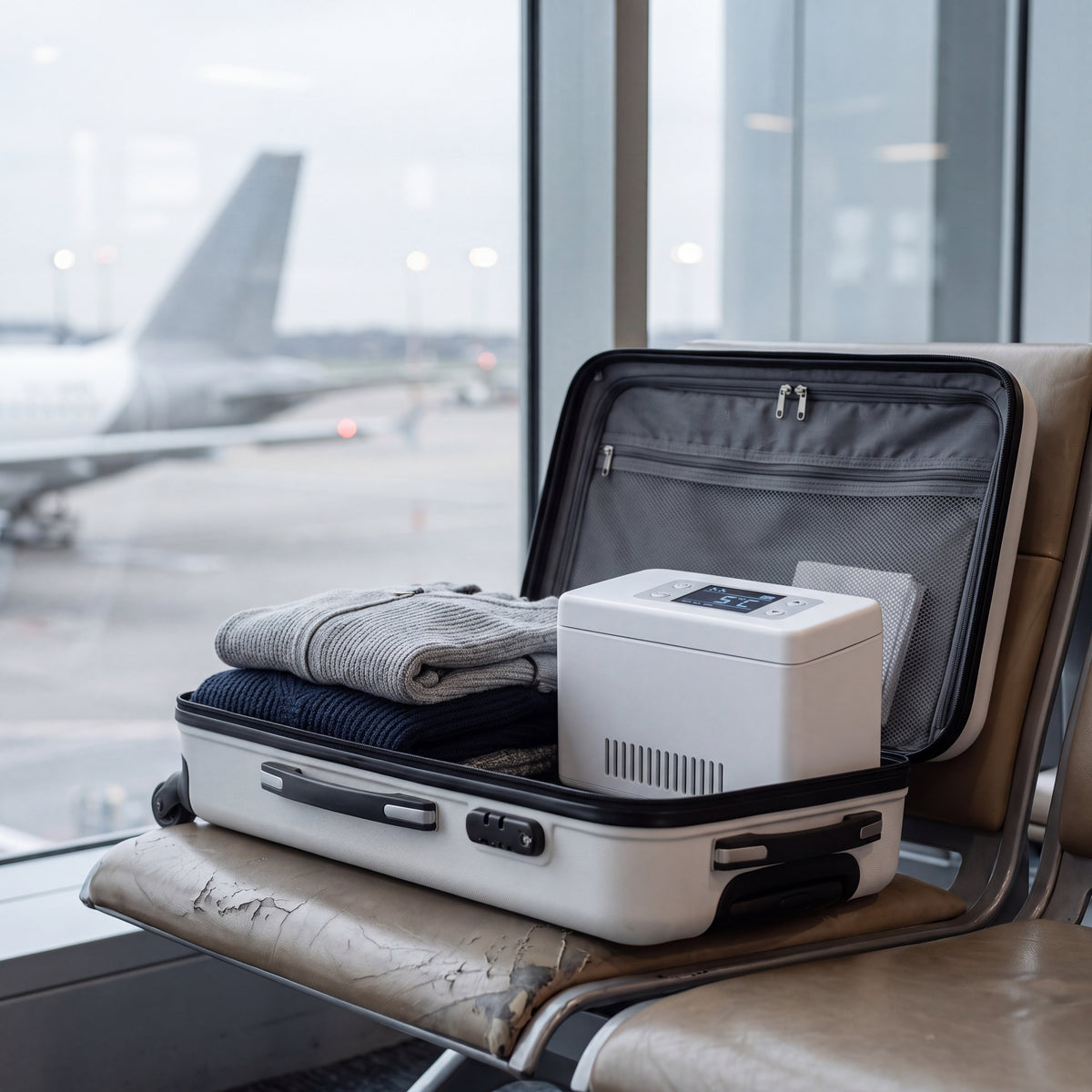
Yes. It goes in your carry-on, and insulin and the cooling supplies for it are allowed through security. Keep the pharmacy label on your insulin, and if anyone asks, they can see the temperature right on the lid.
Shipping and delivery
Free tracked shipping on every order. Delivery takes 7 to 12 business days to most of the US, so if you have a trip coming up, order at least two weeks before you leave.
The Next Trip Guarantee
Use MedVault for 30 days. If it isn’t right for you, email support@getmedvault.com within 30 days of delivery and we’ll refund every penny, and in most cases you won’t even need to send it back. Every MedVault also carries a 2-year warranty on the cooling and the display.
What nobody tells you
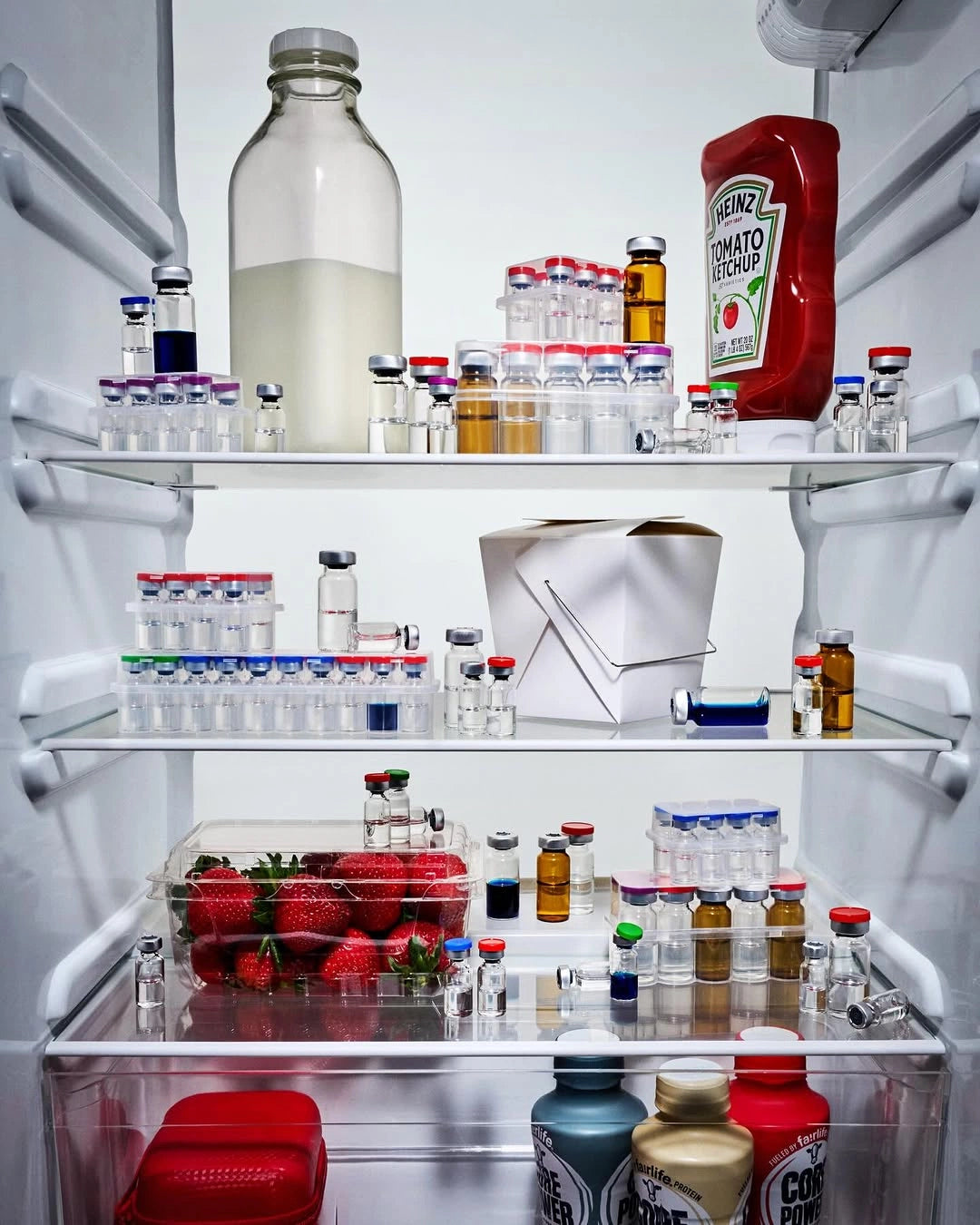
The first sign is usually a high number that won’t come down.
You eat what you always eat and take what you always take, and the meter says 280 anyway. So you take a correction and wait. An hour later it’s barely moved, and the pen in your hand looks exactly like it did the day you opened it.
That’s the hard part about insulin. When it’s been cooked in a car or frozen in a fridge, it usually doesn’t change color or smell any different. Sometimes it turns cloudy or clumpy, but most of the time it looks fine, and the only warning you get is a number that won’t come down. That isn’t you doing something wrong. Nobody can see the temperature their insulin was kept at, so nobody finds out until after the dose.
And it rarely happens anywhere dramatic. It happens in four places most people trust.
Try this tonight
Check your own fridge tonight with a $5 thermometer.
Pick up a cheap fridge thermometer at any grocery store and set it on the shelf where you keep your insulin, all the way at the back. Check it when you wake up. If it reads 32°F or lower, your insulin has been freezing at night, and the pen would never have shown you.
This happens more than you’d think. When researchers put sensors next to people’s insulin at home, about 1 in 6 of them caught it dropping below freezing. Whatever yours says in the morning, you’ll have done the one thing insulin can’t do for itself. You’ll have looked at the temperature.
- Below 36°FToo cold. Insulin labels say not to store it this cold.
- 36°F to 46°FRight where the label says to keep it.
- Above 46°FToo warm for unopened insulin.
What you’ve probably tried
Ice packs, a Frio and the minibar all leave you guessing.
If you travel with insulin, you’ve probably used all three. Ice packs get it cold, but they melt by the afternoon, and a pen resting against one can freeze. A Frio keeps it from overheating, but it only keeps it close to room temperature, not fridge cold. And the hotel minibar is a fridge someone else set, usually as cold as it goes.
Each of those does part of the job, and none of them tells you how cold your insulin actually is. So you’re still guessing every time you dose. What you really need is simple: keep it cold, and keep the temperature somewhere you can see it.
How it works
A small fridge for your insulin, with the thermometer on the lid.
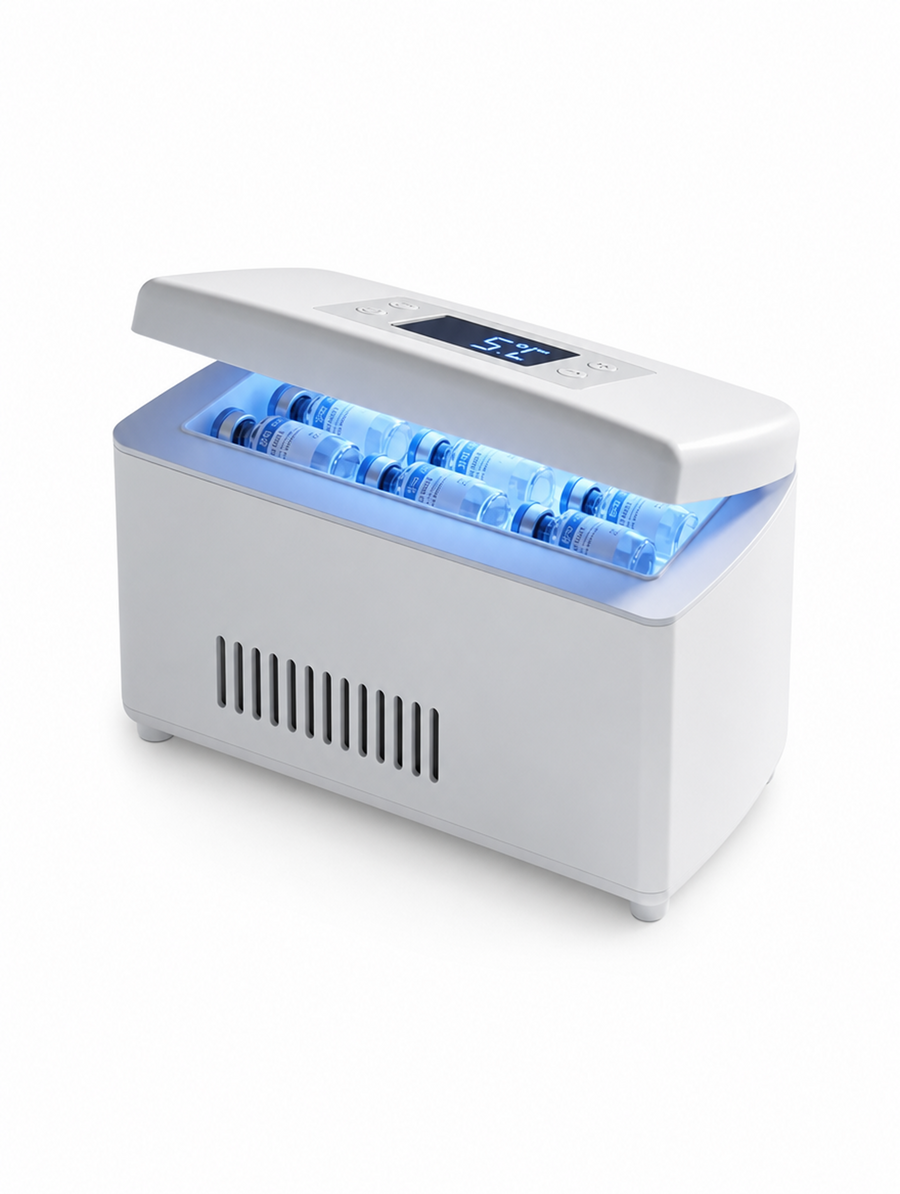
You set it once, and it stays there.
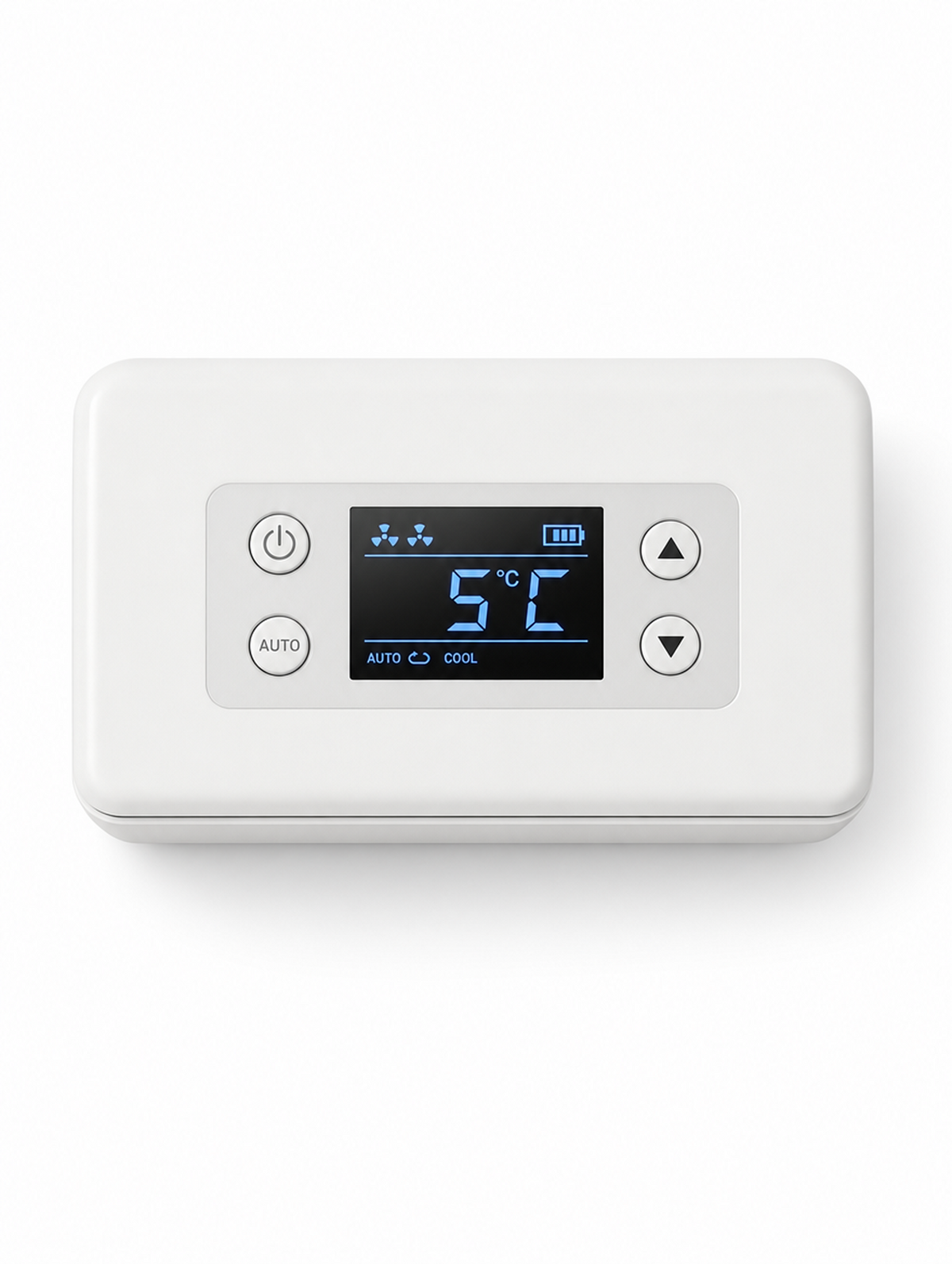
Press the arrows until the lid says 41°F, which is right in the middle of the 36°F to 46°F range on insulin labels. It cools down to that and holds it, and the lid shows you the temperature inside, accurate to half a degree, without opening anything.
A normal day
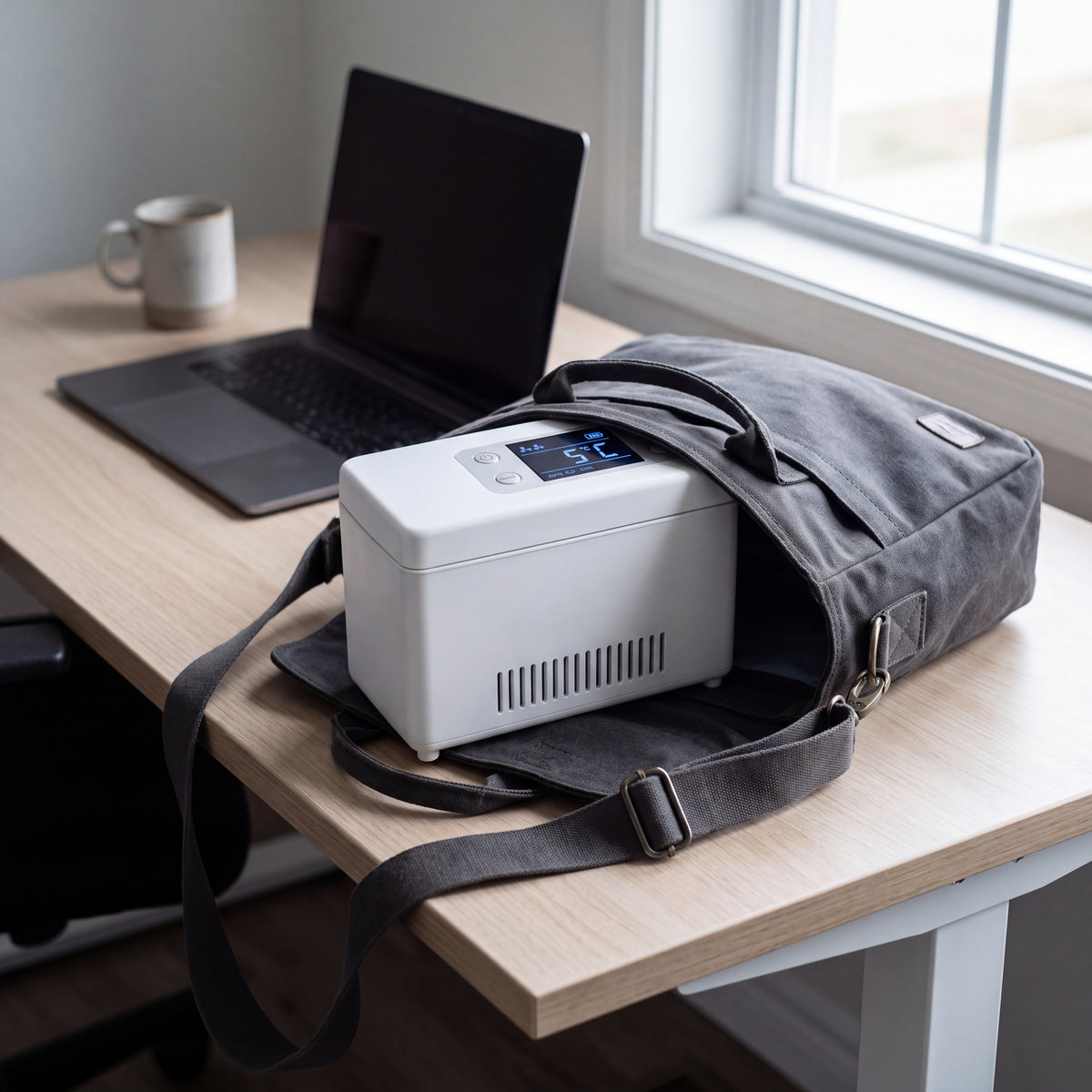
Read it from bed, the driver’s seat or the security line.
You don’t have to open it to check. You just look at the lid.
Swipe →
Setup
Setting it up takes three steps.
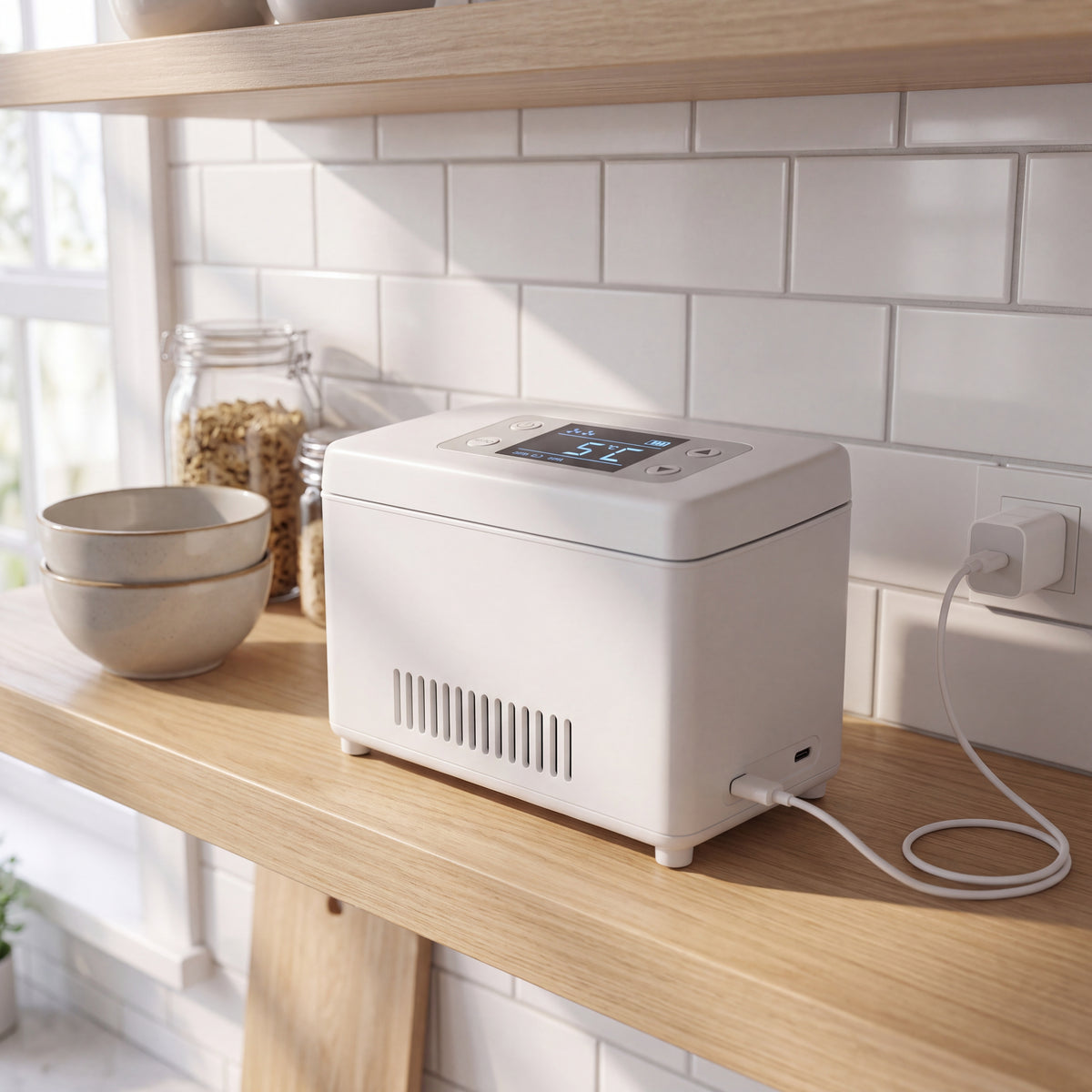
- 01Charge it
Plug it in overnight with the USB-C cable that comes in the box.
- 02Set it
Press the arrows until the lid says 41°F, or whatever temperature your pharmacist recommends.
- 03Fill it
Put your pens and vials inside, close the lid, and check the temperature whenever you want.
The math
MedVault costs less than one Humalog pen.And a lot less than replacing a supply in a town you don’t know.
Without insurance, one Humalog pen costs about $116 and a vial of Lantus about $290. Even if you only pay a $35 copay, ruined insulin still means a night of high numbers that won’t come down, a call to your doctor for a new prescription, and a morning hunting for a pharmacy in a town you don’t know. This is $89.99, and you only buy it once.
Average cash prices from SingleCare, May 2026.
Protect My InsulinWho it’s for
For everyone who carries insulin, or carries it for someone.
FAQ
Answers before you order.
Isn’t insulin fine at room temperature?
For a while, yes. Most opened insulin can stay between 59°F and 86°F for about 28 days, and some types last longer or shorter, so check your label. The trouble is that a parked car goes far past 86°F and a fridge set too cold goes below freezing, and the FDA says insulin that has frozen should not be used at all.
Can I tell by looking if my insulin has gone bad?
Not always. Sometimes it turns cloudy or forms clumps, but often it looks completely normal and the first sign is a high reading that won’t come down. MedVault can’t test your insulin, but it can show you the temperature it’s been kept at, which is the next best thing.
What temperature should I set?
41°F for most people. Labels say to keep unopened insulin between 36°F and 46°F, and your pharmacist can tell you if yours needs anything different.
I already have a Frio. Do I need this?
Maybe not for the pen you’re using today. A Frio keeps an open pen near room temperature in the heat, but it can’t keep your backup supply as cold as a fridge, and it can’t show you a temperature. A lot of people use both.
Could MedVault freeze my insulin?
Not at 41°F. It stays at the temperature you set, and you can see that temperature on the lid all day.
Can I take it on a plane?
Yes. It goes in your carry-on, and insulin and the cooling supplies for it are allowed through security. Keep the pharmacy label on your insulin.
What about a hot car?
Keep it plugged in while you drive. Just don’t leave it in a closed car in the sun, the same way you wouldn’t leave your phone there.
How long does delivery take?
Delivery takes 7 to 12 business days to most of the US, and shipping is free and tracked. If you’re traveling soon, order at least two weeks ahead.
What if it’s not for me?
Email us within 30 days of delivery and we’ll refund you, and in most cases you won’t need to send it back.
Is MedVault a medical device?
No. It’s a temperature-controlled travel cooler. It maintains storage temperature only and does not alter, test or verify the contents of any medication. Always follow the storage instructions on your insulin’s label.
You can’t tell by looking if your insulin got too hot or too cold.
Now you’ll be able to check.
- Free shipping on every order